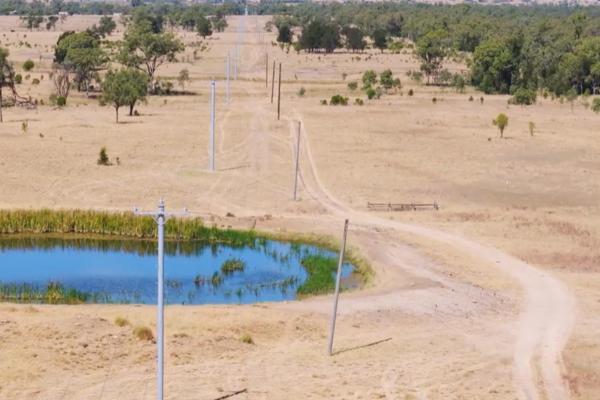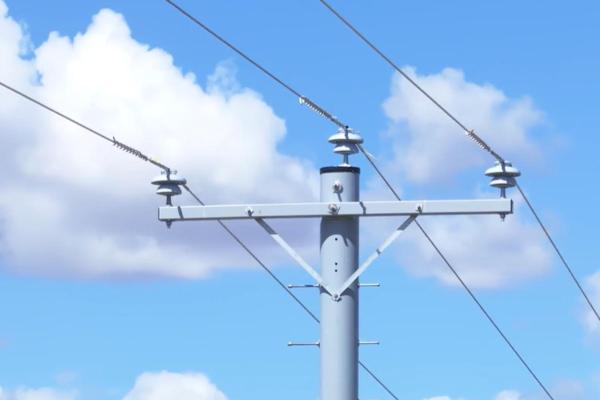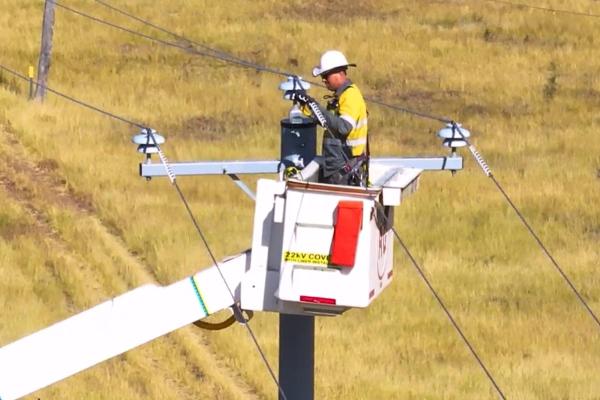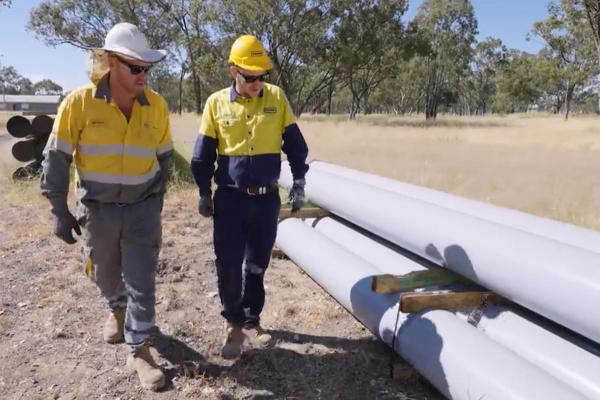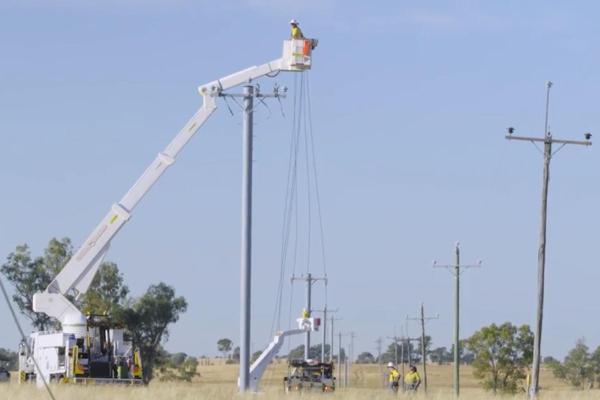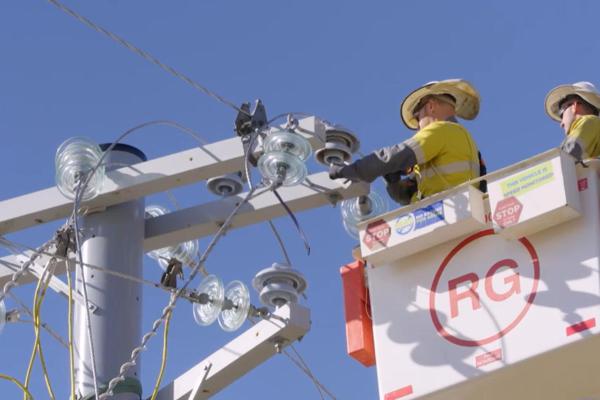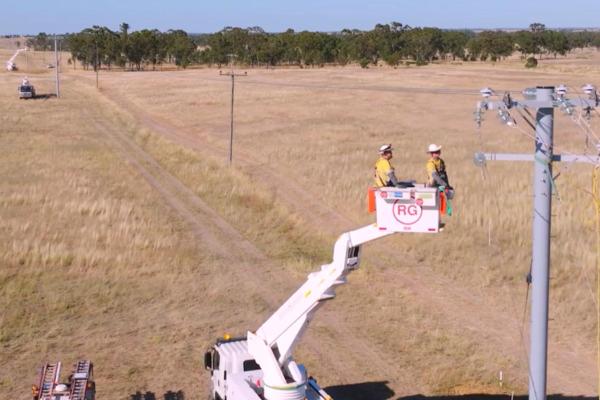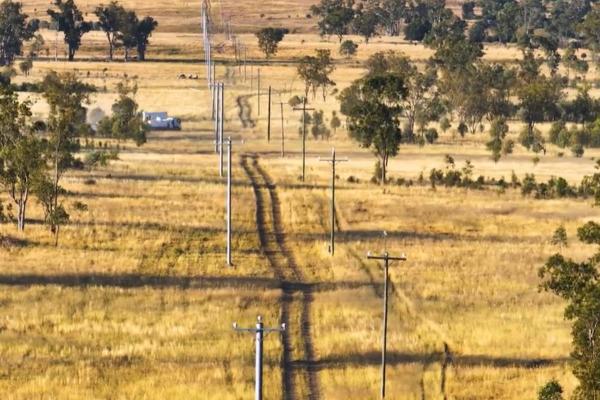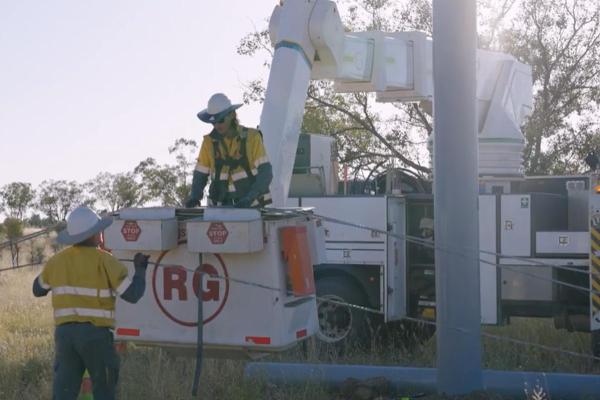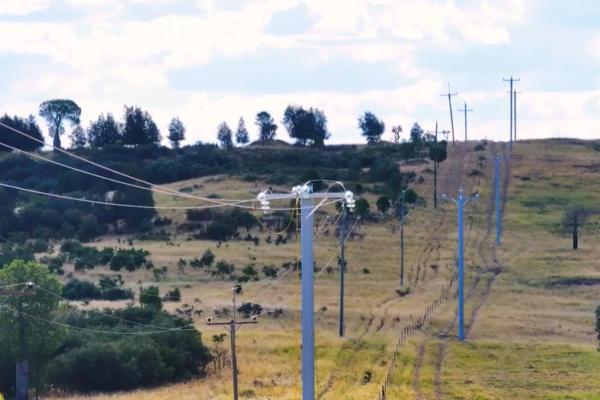
As Australia’s electricity networks respond to increasing bushfire risk, severe weather events and ageing infrastructure, utilities are exploring new ways to improve the long-term resilience and reliability of their assets. The Roma-Injune line project demonstrates how Energy Queensland is evaluating Fibre Reinforced Polymer (FRP) utility poles as part of its ongoing commitment to delivering a safer, more resilient electricity network. Featuring insights from Chief Engineer Suzanne Shipp and Lineman and Work Group Leader, Jeremy Thomas, this project provides a practical look at the deployment of FRP utility poles in a live distribution network and the operational experience gained through the project.
Hear directly from Energy Queensland
One of the most valuable aspects of this project is hearing directly from the people responsible for delivering it. In the accompanying video, Chief Engineer Susan Shipp and Lineman and Work Group Leader, Jeremy Thomas discuss:
- Why FRP utility poles were selected
- Installation experience in the field
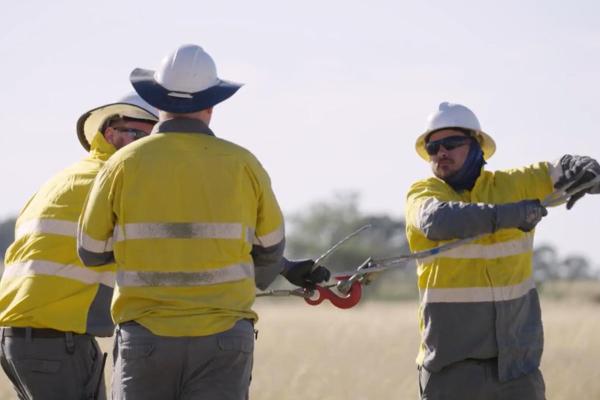
- Feedback from construction crews
- Lessons learned throughout deployment
- The role composite materials can play in future network resilience
Their experience provides practical insight for utilities, engineers and asset managers considering the future of their own distribution networks.
The challenge
Electricity distribution networks operate in some of Australia’s harshest environments.
Asset owners must balance safety, reliability, durability and whole-of-life cost while continuing to maintain and expand networks that serve regional and remote communities.
With increasing pressure on traditional timber supplies and growing expectations around asset performance and resilience, utilities are investigating alternative pole materials capable of delivering predictable long-term performance while supporting safer and more efficient construction and maintenance practices.
The solution
Energy Queensland incorporated Wagners FRP utility poles into the Roma–Injune line project to evaluate their performance under real operating conditions.
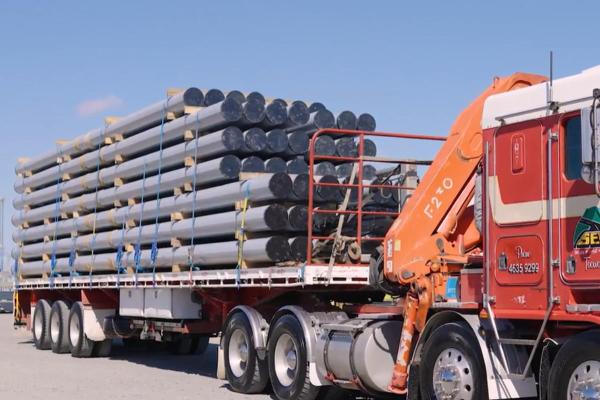
Manufactured in Queensland using Wagners CFT’s proprietary pull-winding process, the poles are lightweight, non-conductive, resistant to rot, corrosion and termites, and have an expected design life of 80 years. Existing construction methods and installation equipment remain compatible, allowing crews to adopt the technology without fundamentally changing established work practices.
From planning to installation
Introducing a new utility pole material requires more than meeting engineering specifications.
Successful deployment depends on collaboration between utility engineers, field crews and manufacturers to ensure installation practices, logistics, safety and long-term asset management objectives are aligned.
Throughout the project, Energy Queensland gained practical experience installing FRP utility poles within a live network, providing valuable operational insights that will help inform future deployment decisions.
Building the next generation of electricity networks
Innovation in electricity infrastructure is driven by practical experience.
The Roma–Injune line project demonstrates how collaboration between utilities and manufacturers can accelerate the evaluation of new technologies while supporting informed asset management decisions.
By sharing operational experience and lessons learned, Energy Queensland is helping build industry knowledge that will benefit electricity networks across Australia as they continue to strengthen resilience, improve safety and invest in infrastructure designed to perform for generations to come.