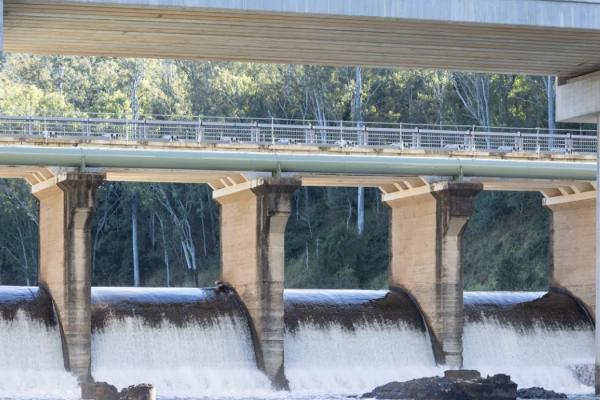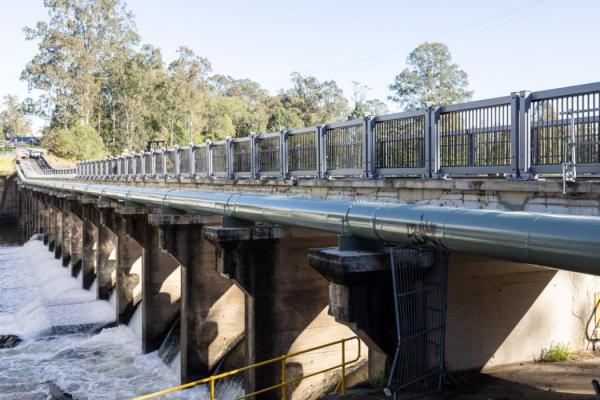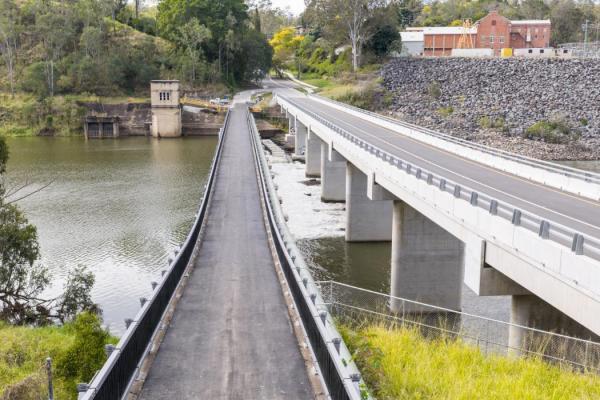
Set along the Brisbane River, the heritage-listed Mt Crosby Weir Bridge has been transformed from an ageing vehicular crossing into a resilient, pedestrian-focused asset. Delivered for Seqwater and led by GHD with construction by Pensar, the project demonstrates how historic infrastructure can be reimagined through smart engineering.

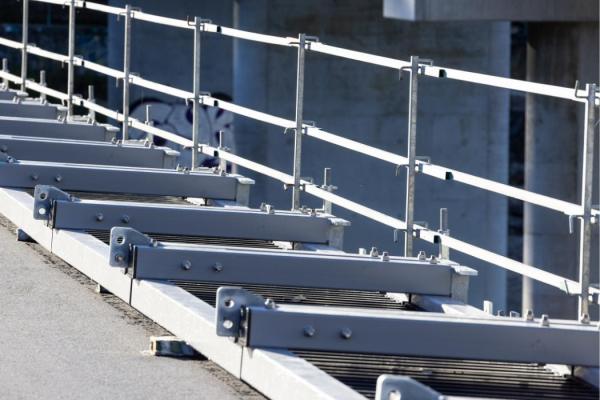
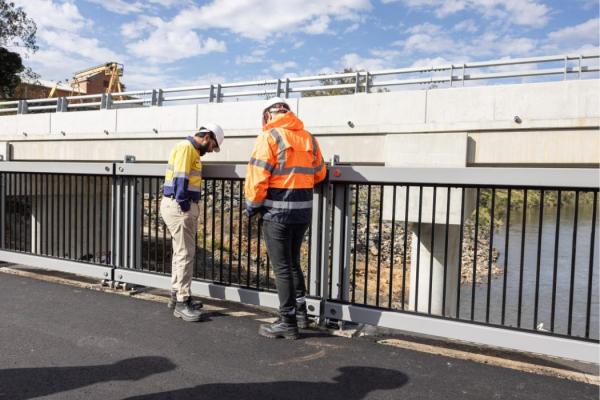
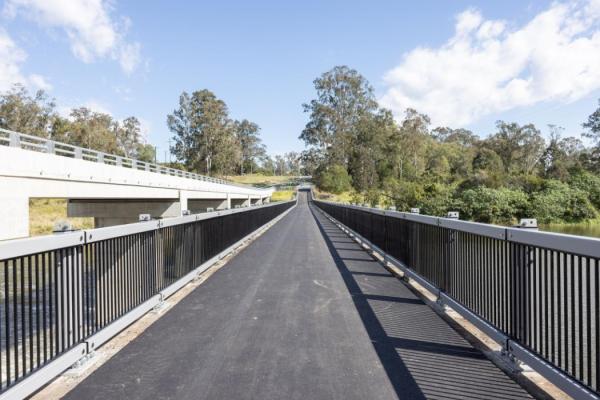
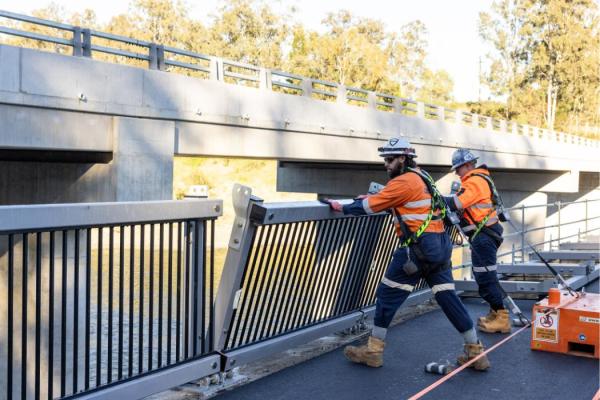
At the heart of the upgrade is an innovative collapsible Fibre Reinforced Polymer (FRP) handrail system, designed to protect the structure during flood events while enhancing safety, usability and longevity.
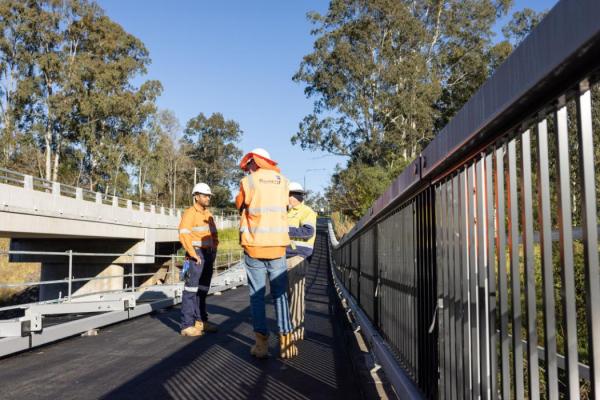
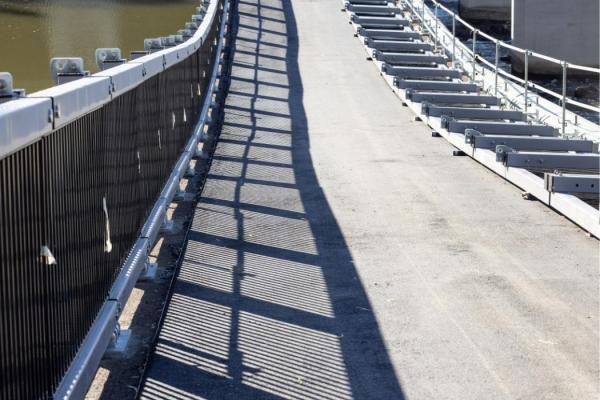
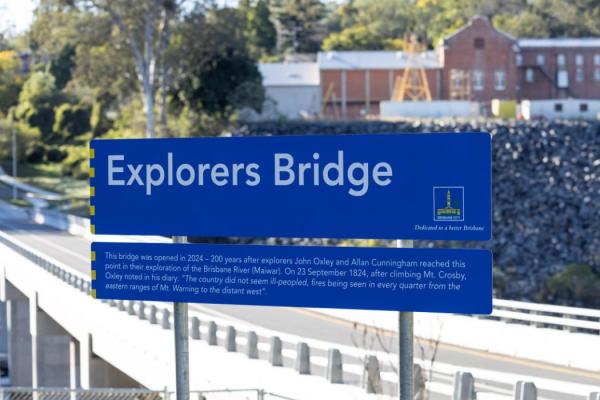
Originally constructed circa 1926, the bridge had reached the end of its practical life as a road crossing. With a narrow deck and a 9-tonne load limit, it could no longer support modern traffic demands. Following the construction of the adjacent Explorers Bridge, the decision was made to repurpose the original structure for pedestrians and cyclists, preserving its heritage while extending its functional life.

Scope of works included:

  • Decommissioning the existing road bridge
  • Removal of outdated balustrade systems
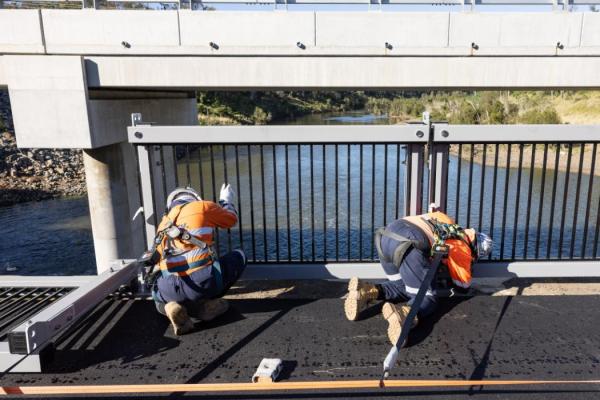
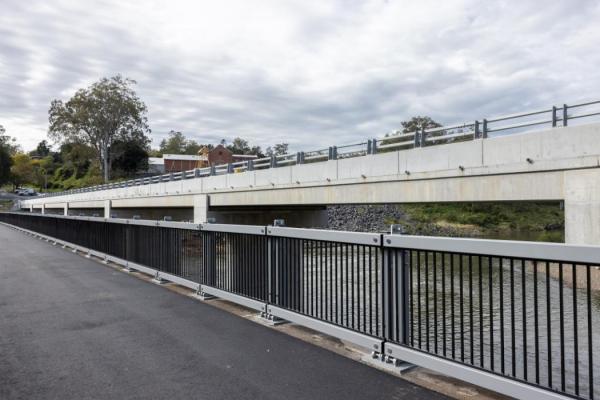
  • Installation of a new FRP collapsible handrail system
  • Construction of a pedestrian access path
  • Integration with existing heritage elements without structural modification

Read ‘Historic bridge reborn with flood smart design

Flood resilience was central to the upgrade of Mt Crosby Weir Bridge. The solution was a lightweight, collapsible Fibre Reinforced Polymer (FRP) balustrade system that can be lowered flush to the deck ahead of flood events, reducing exposure to debris and hydraulic forces.

Each ~50 kg panel is light enough for manual handling, eliminating the need for heavy equipment and enabling full deployment in about an hour. The corrosion-resistant FRP material is well suited to harsh environments, while the independent panel design and secure tie-down system help limit damage and prevent uplift during extreme flows, delivering a faster, safer and more resilient solution than the previous 700 kg steel barriers.

Delivering upgrades on a nearly century-old heritage-listed structure required careful planning and strict adherence to preservation requirements. The project team was unable to drill into or modify the original bridge deck, meaning all new elements had to integrate with the existing structure.

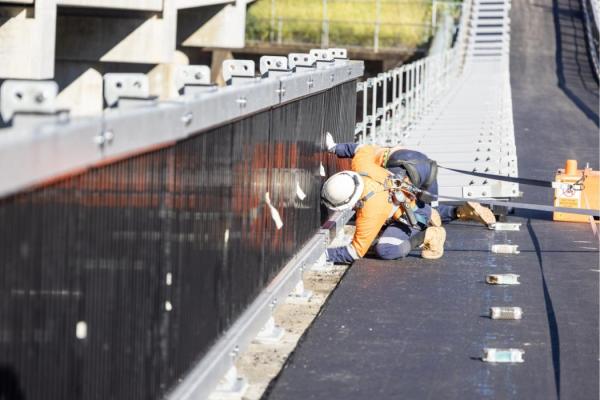
Installation relied entirely on the original hold-down bolts embedded within the concrete deck. To achieve this, custom base plates were designed using a combination of detailed site surveys and 3D modelling to ensure precise alignment with the existing bolt locations.

Complicating the process further, the historic bridge deck was uneven and could not be altered. To resolve this, all base plates were uniformly raised by 15 millimetres above the deck surface. This approach allowed the balustrade system to maintain a consistent alignment while preserving the integrity of the original structure, ensuring compliance with heritage constraints without compromising performance.

Read ‘Preserving history, embracing innovation: The smart repurposing of Mt Crosby’s Weir Bridge

Together, these solutions have redefined the future of the Mt Crosby Weir Bridge, transforming it from an ageing asset into a resilient, low-maintenance pedestrian crossing that respects its past while meeting modern demands.

By combining innovative FRP technology with careful heritage integration, the project not only reduces flood risk and operational constraints but also sets a benchmark for repurposing infrastructure in challenging environments. It stands as a practical example of how thoughtful engineering can preserve history, improve safety and deliver long-term value for asset owners and the community alike.

Watch the webinar ‘Transforming Heritage Through Smart Retrofitting’ to explore Explore how the heritage-listed Mt Crosby Weir Bridge was transformed from a decommissioned single lane road bridge into a flood-resilient pedestrian pathway featuring a new innovative collapsible Fibre Reinforced Polymer (FRP) handrail system.

During this webinar, you will learn about:

  • Balancing heritage preservation with modern engineering needs
  • Innovative flood-resilient design using FRP
  • Challenges and solutions in retrofitting historic structures
  • Practical advantages of FRP in infrastructure projects
  • The role of adaptive reuse in sustainable infrastructure

Featuring guest speakers, GHD Technical Director – Bridges, Mat Williams and Pensar Project Engineer – Structures, Sam Strofield.

Mt Crosby Weir Bridge Collapsible Handrail System, QLD

View in Google Map